English beyond the classroom
Learn and practise English through sport, arts and civic engagement.
Three English immersion pathways for children and young people, plus a fourth pathway, the Social Entrepreneurship Programme. Internships, field studies and research run across all four.
Pathway 01 · English immersion
Civic Engagement Workshops
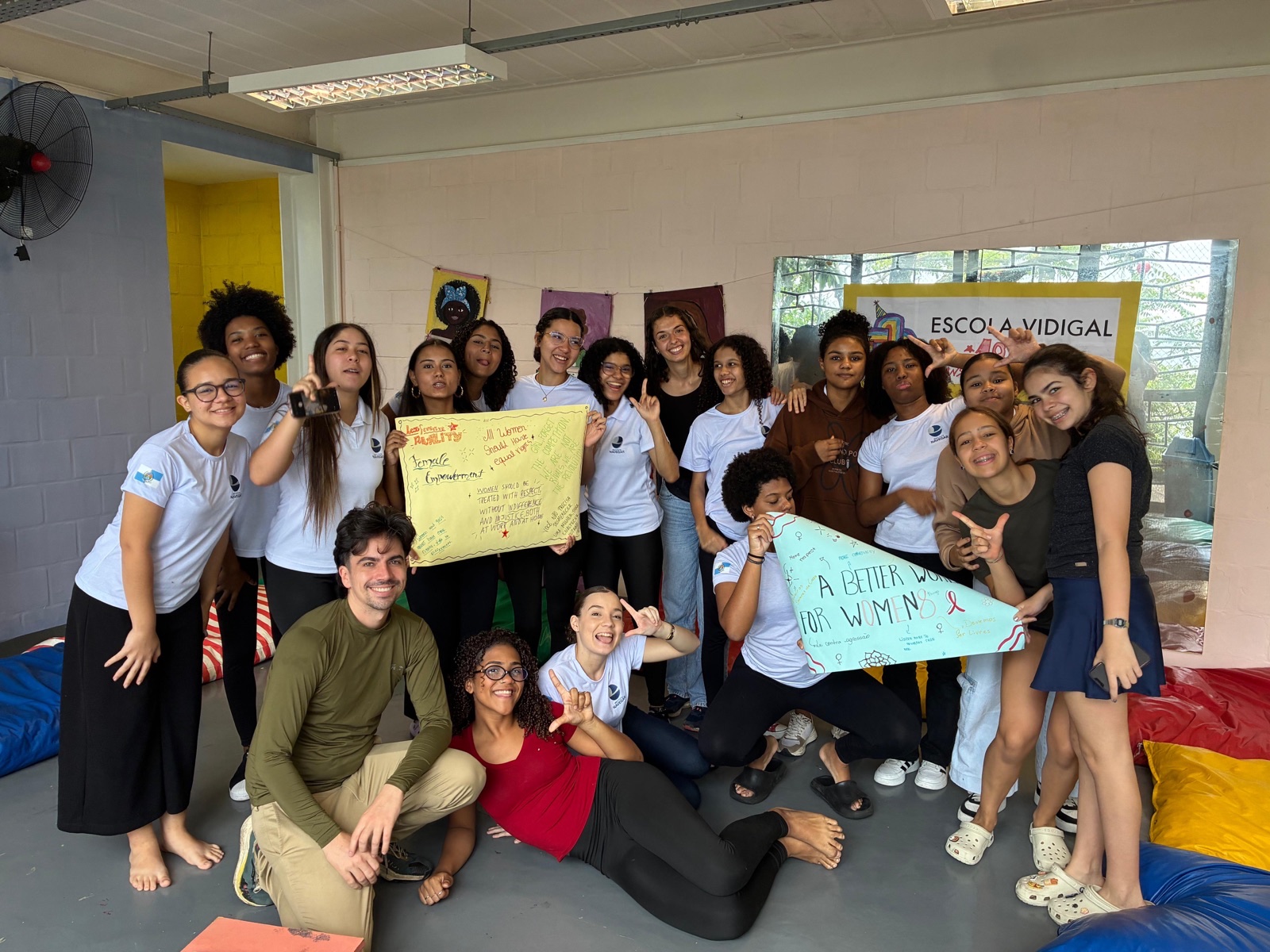
Our World, Our Voice
English through dialogue, civic engagement and international exchange.
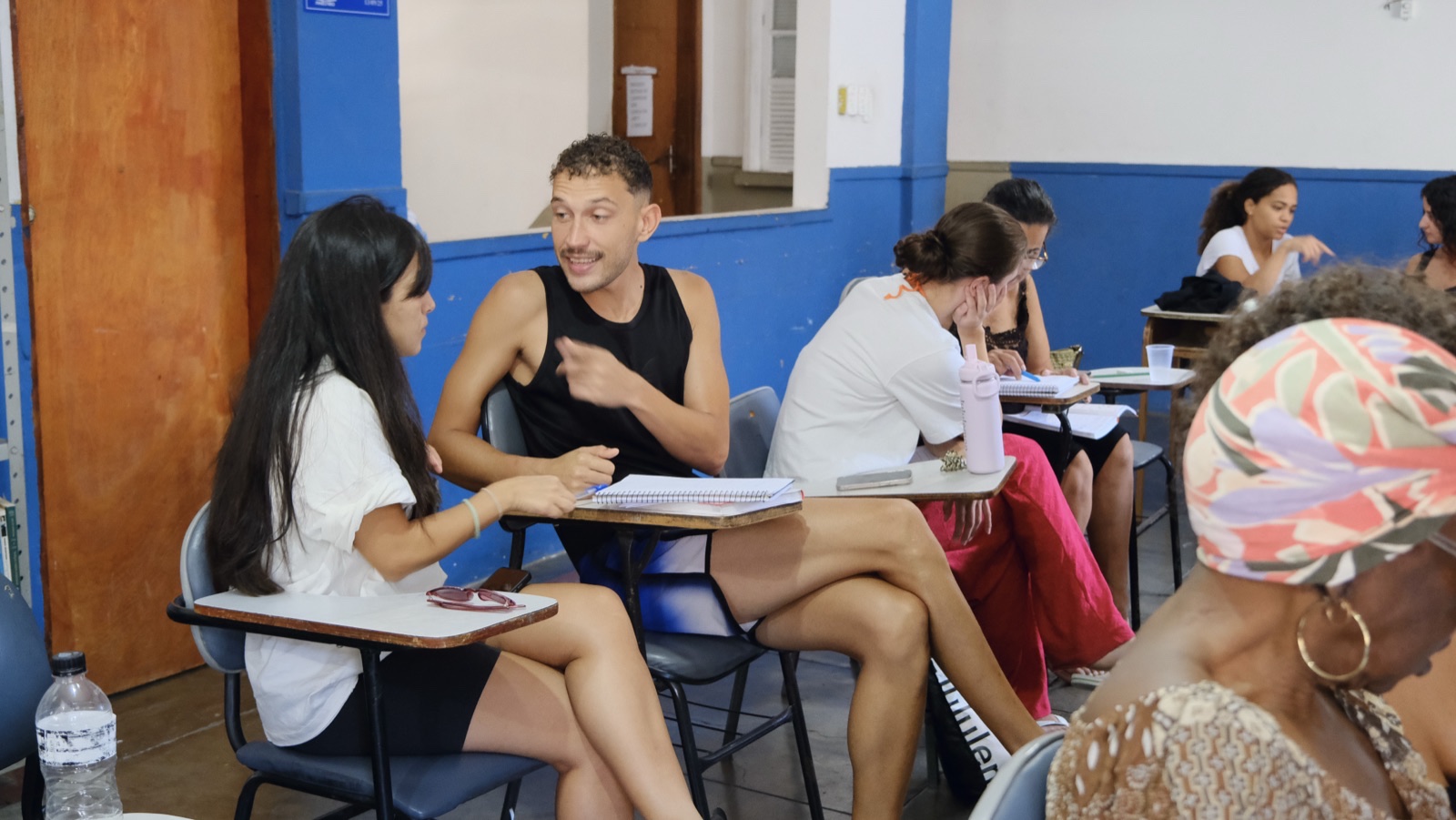
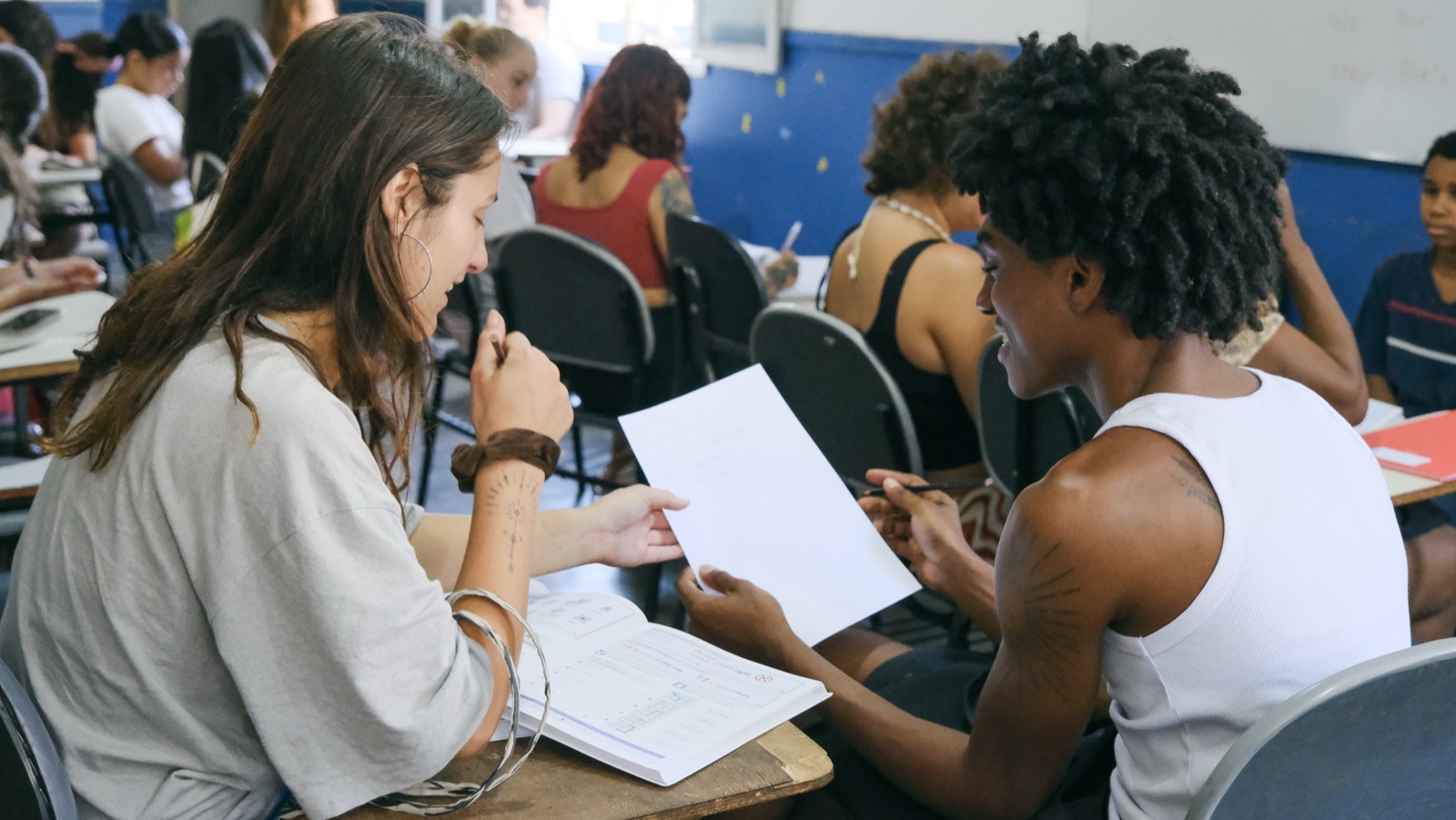
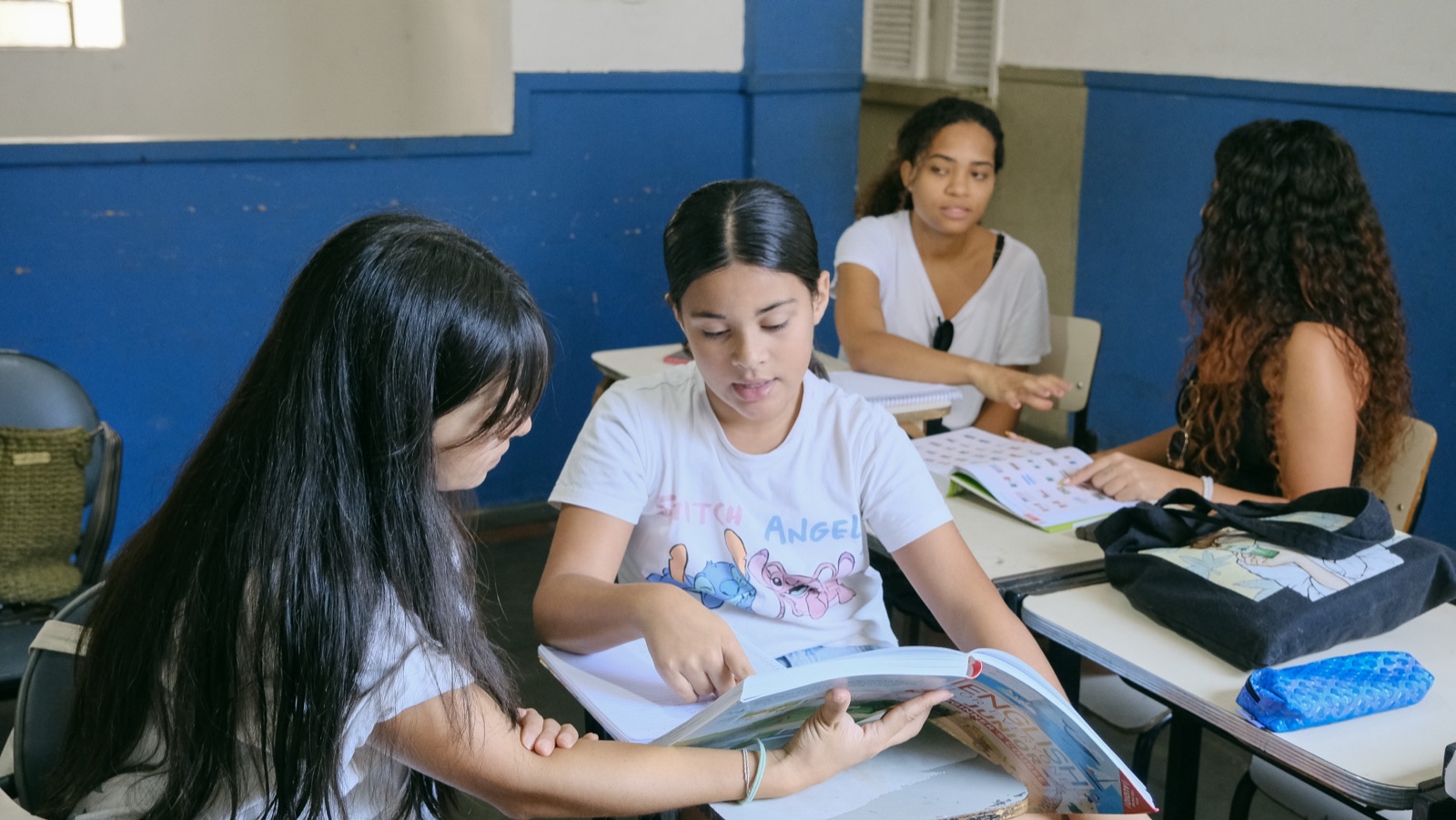
The goal: improve English through real conversation. Along the way: youth empowerment, confidence and soft skills.
How a workshop works
50%+is our aim for workshop activity in English
The approach
Draws on Professor Stephen Krashen's theory of second language acquisition: comprehensible English in a low-anxiety setting, with structured speaking practice.
Co-led
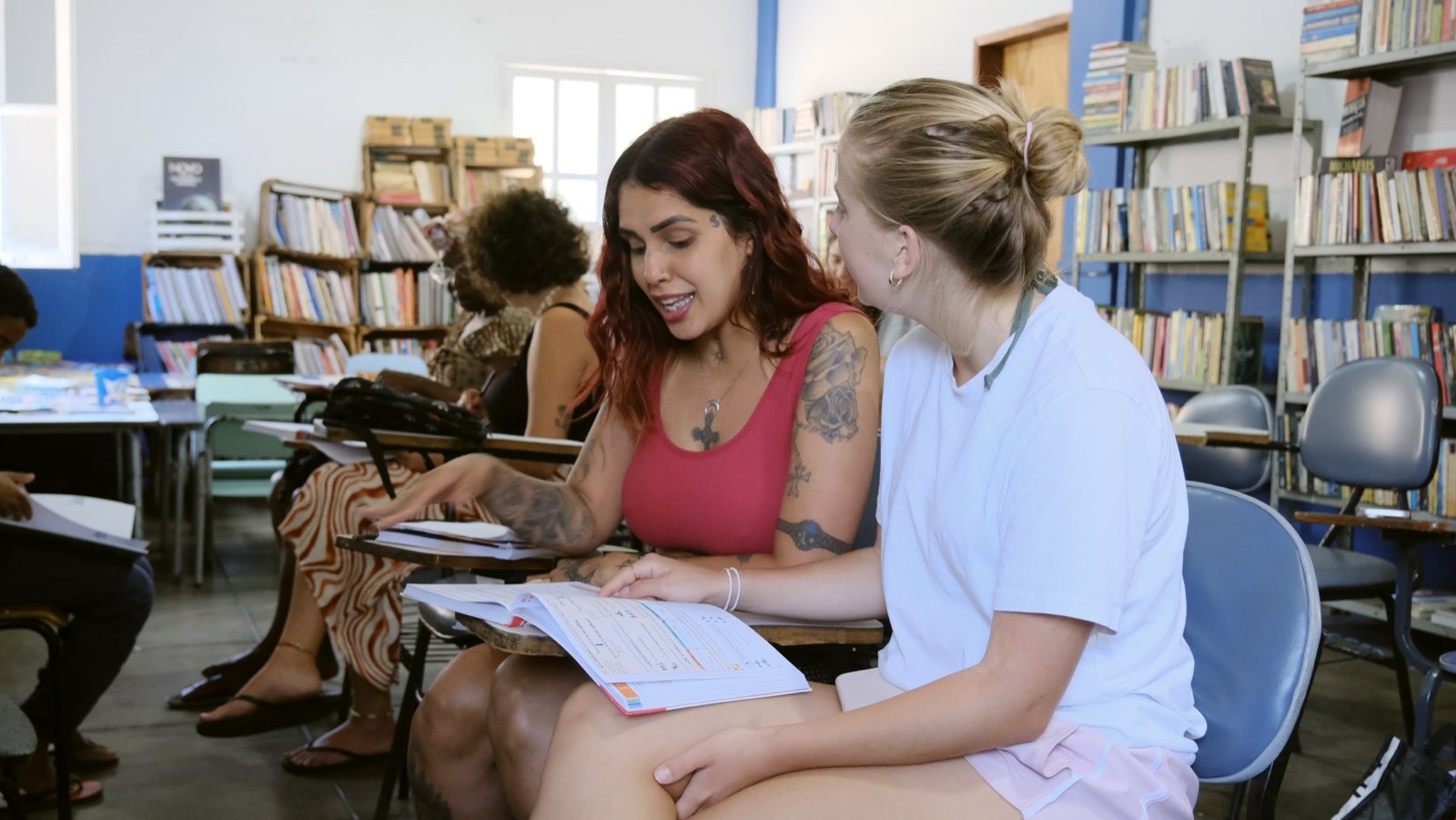
International participants give 12 hours a week to preparing, designing and co-leading workshops with established NGOs and public schools in Rio de Janeiro.
Questions we explore
Gender and everyday life, AI and the future of work, tourism and community, careers and opportunity.
Where
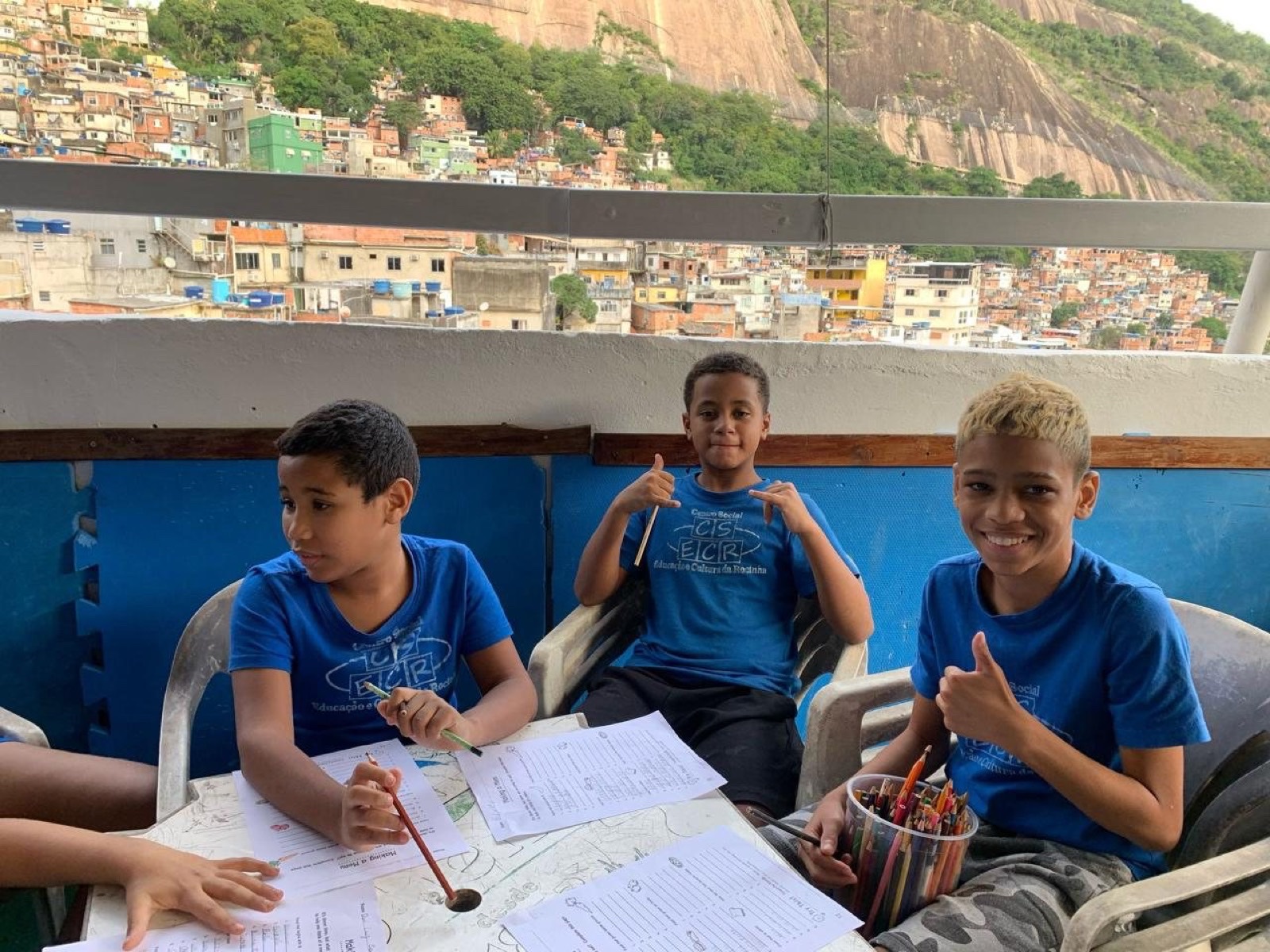
Regular weekly workshops in Vidigal and Rocinha, and in the Rio de Janeiro public school system.
Pathway 02 · English immersion
Sport+ English
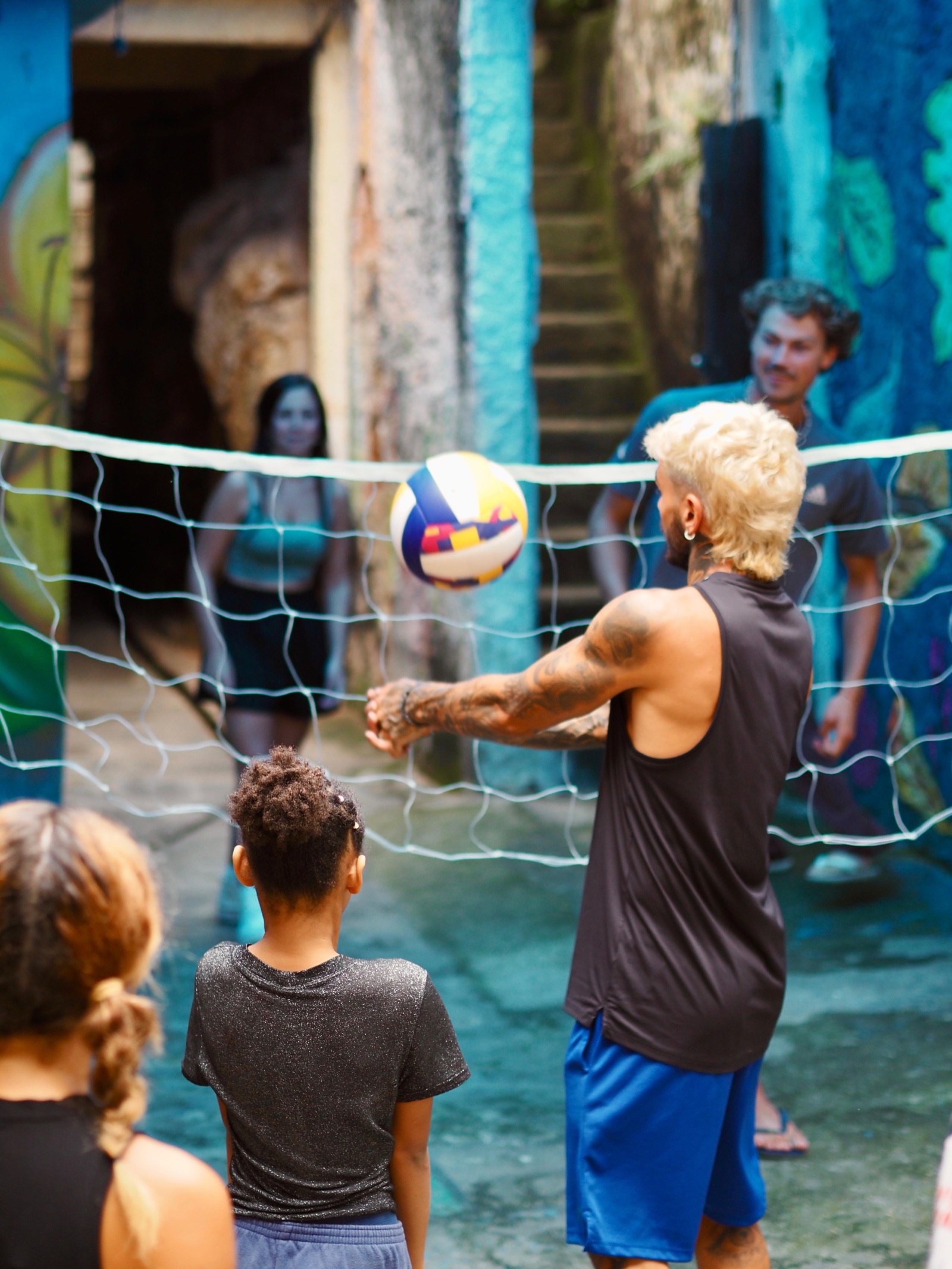
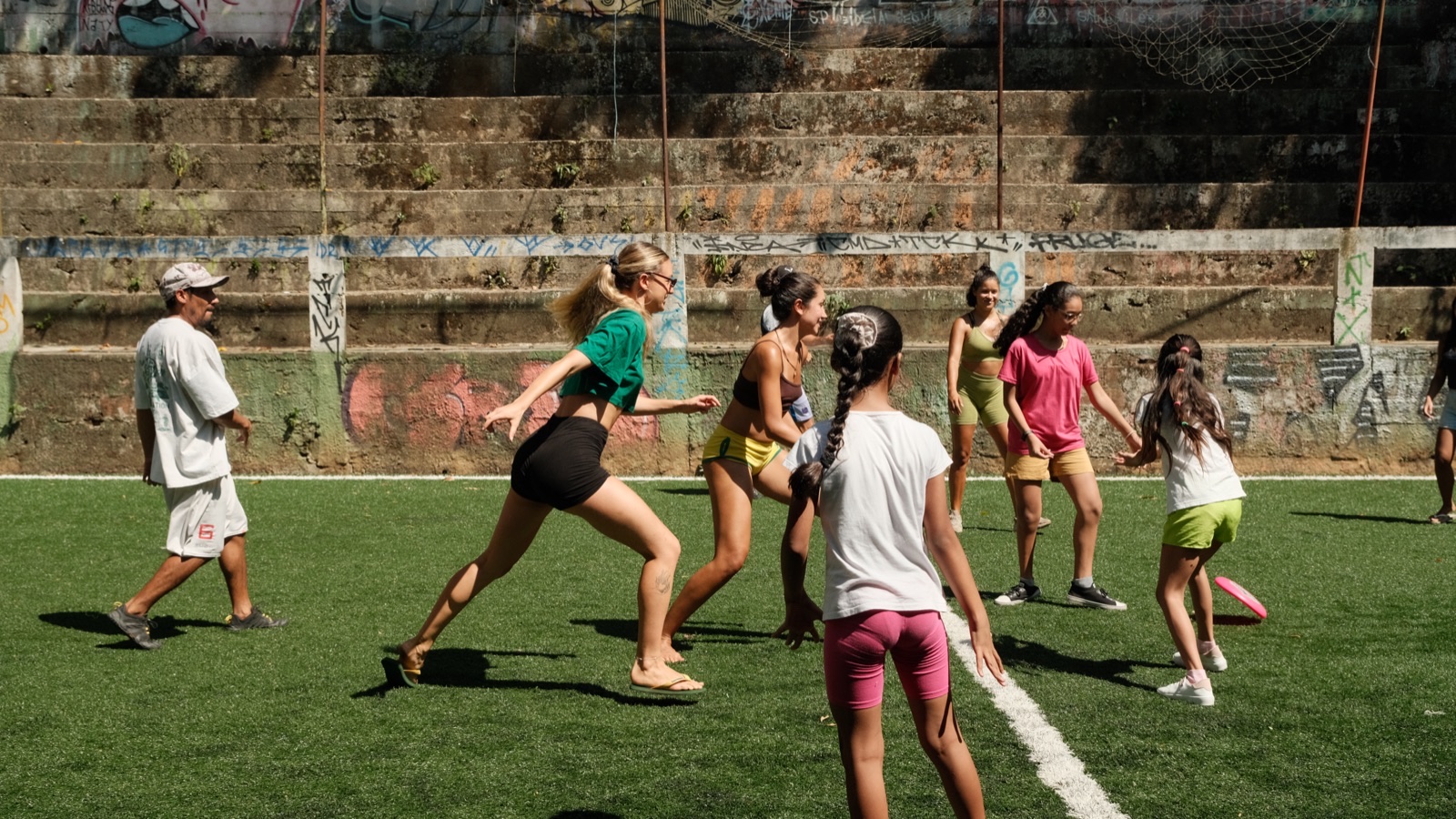
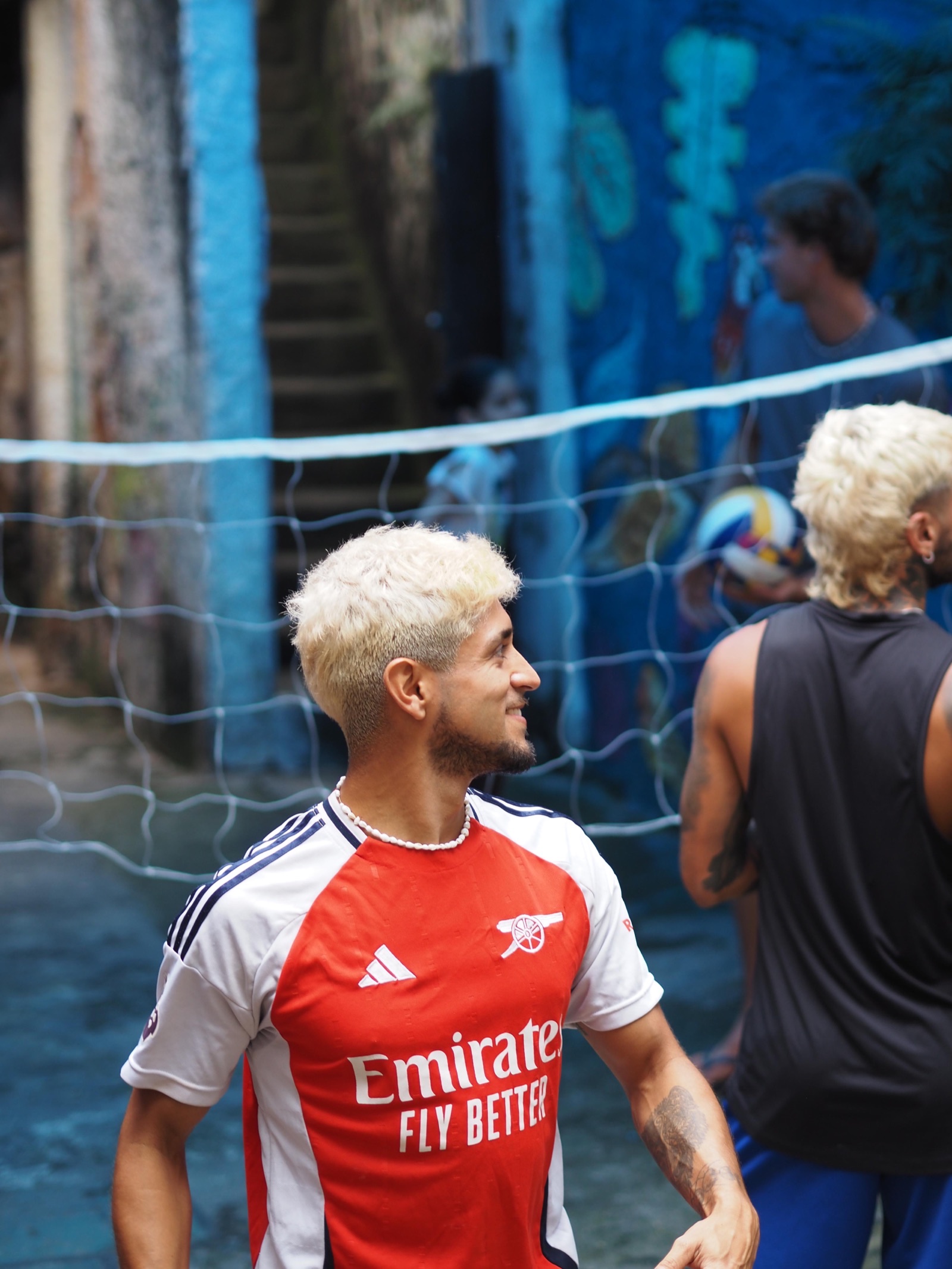
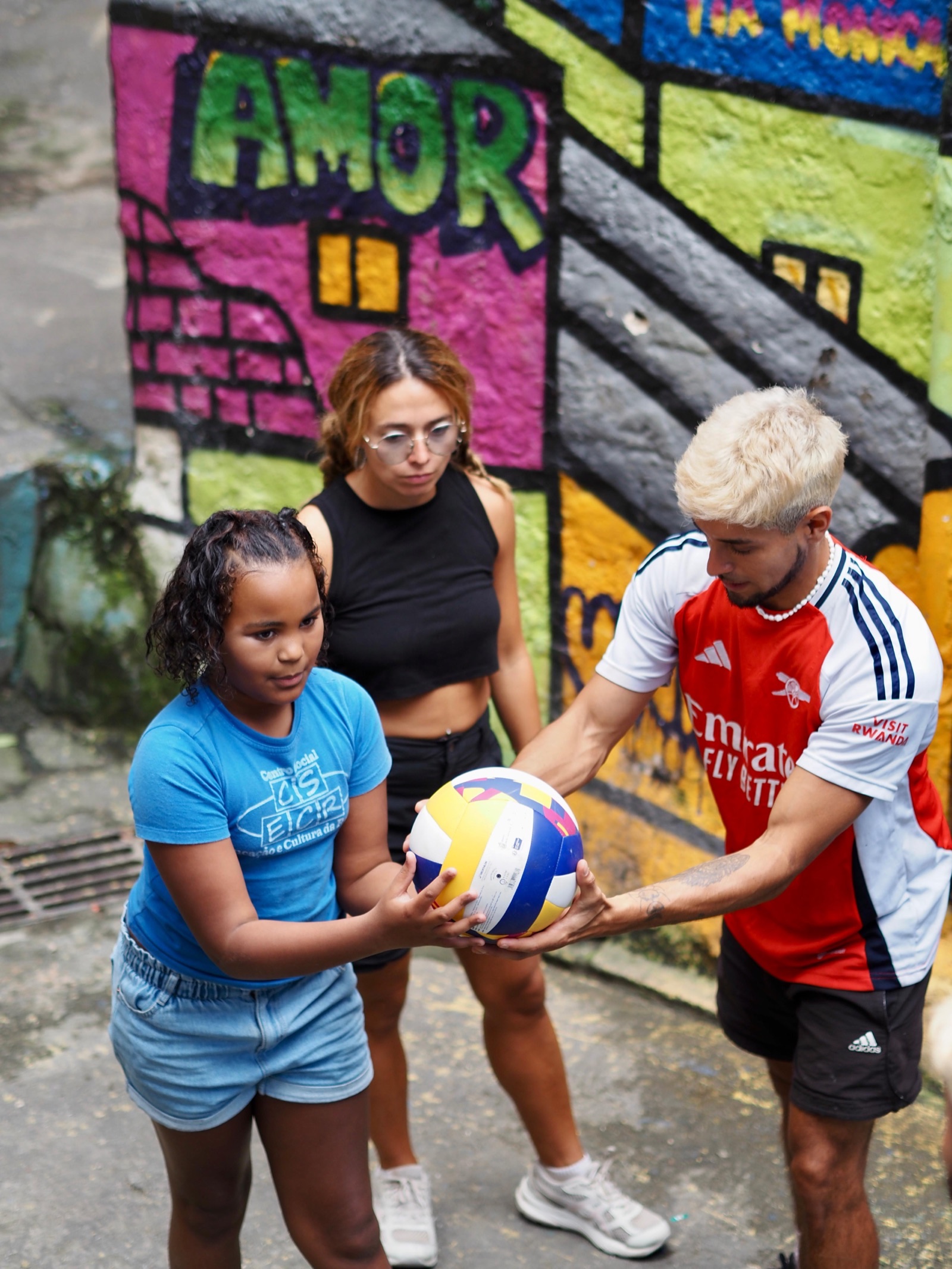
We use sport as a practical environment for language acquisition, confidence-building and cultural exchange.
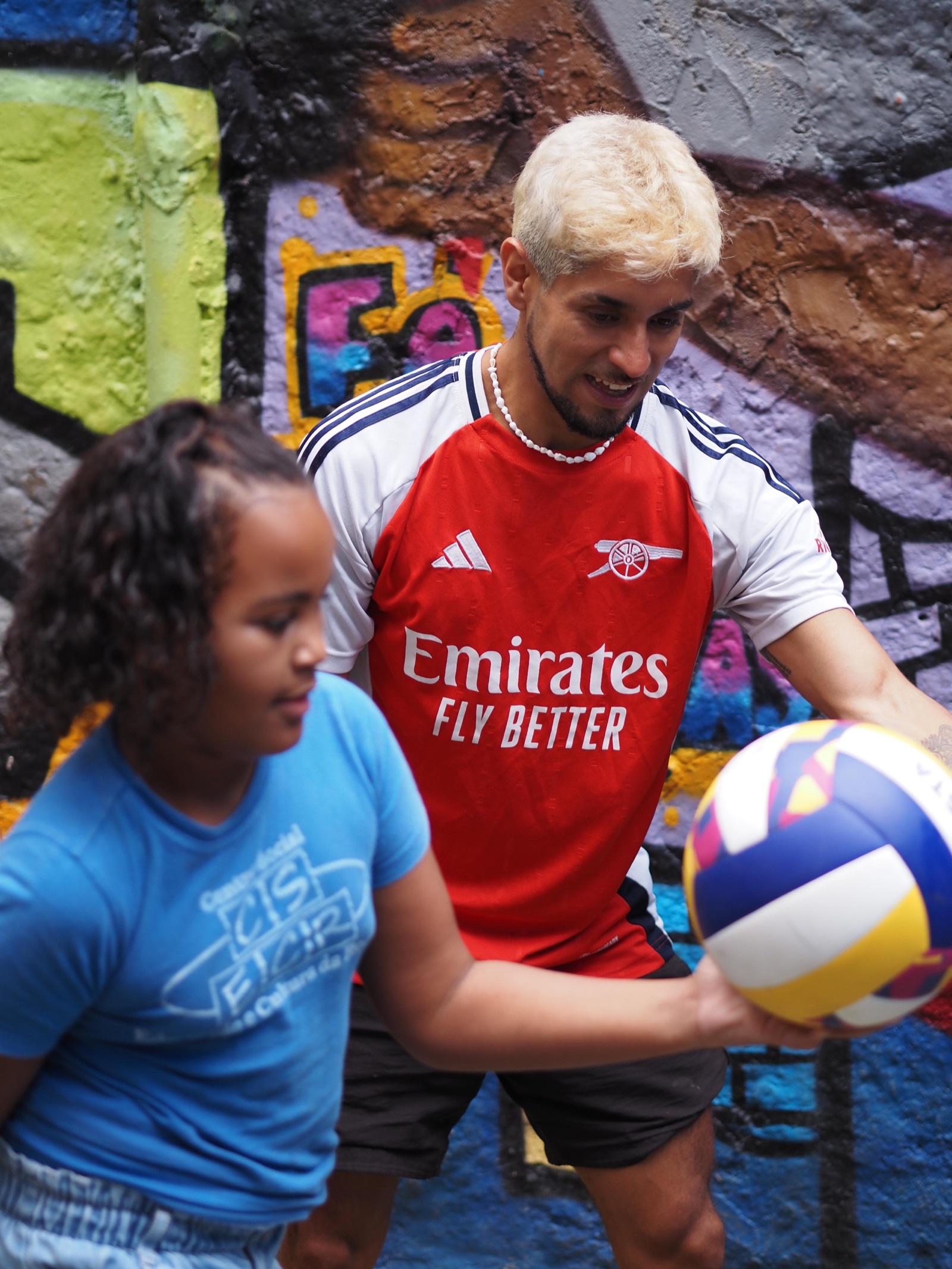
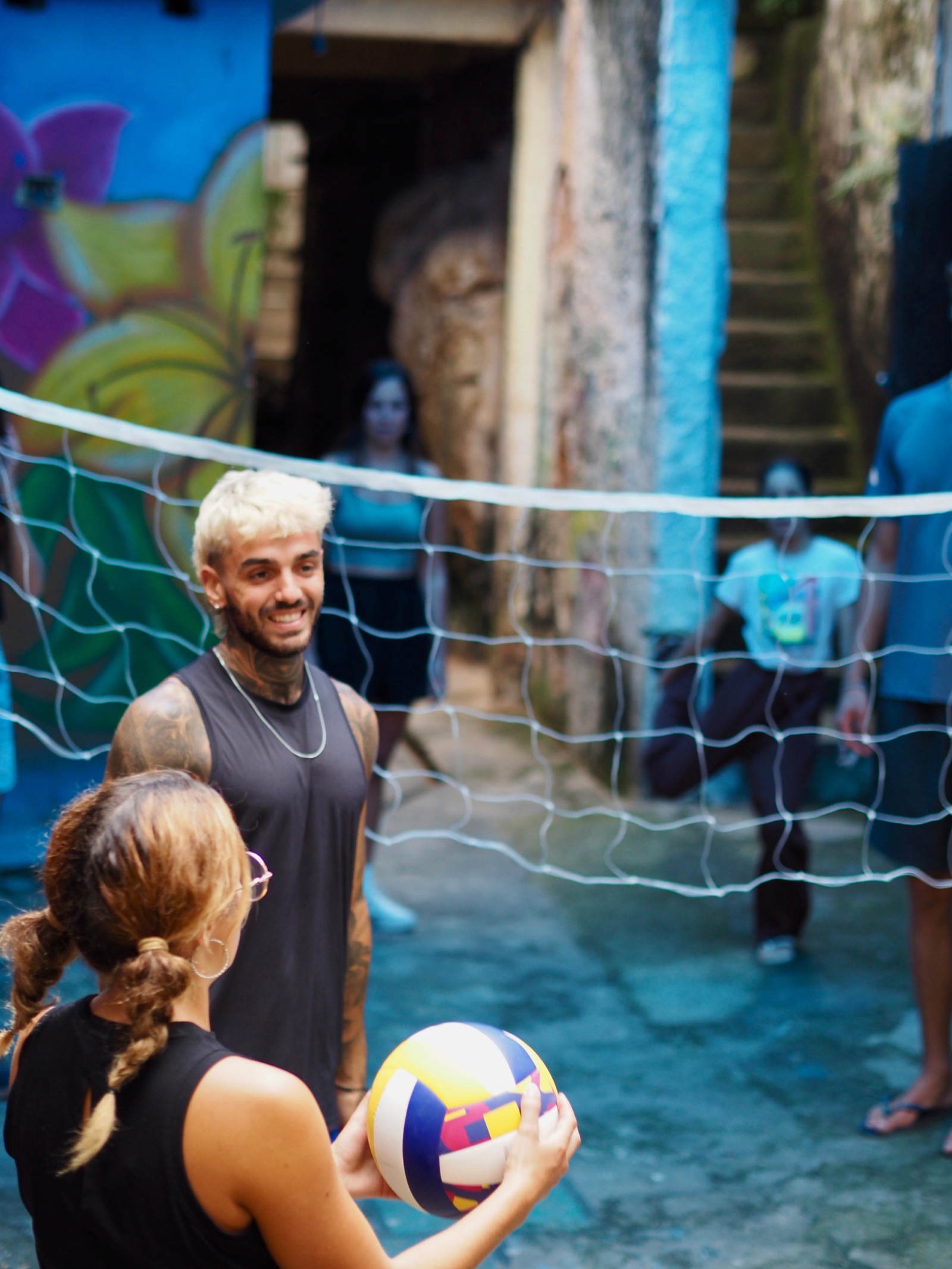
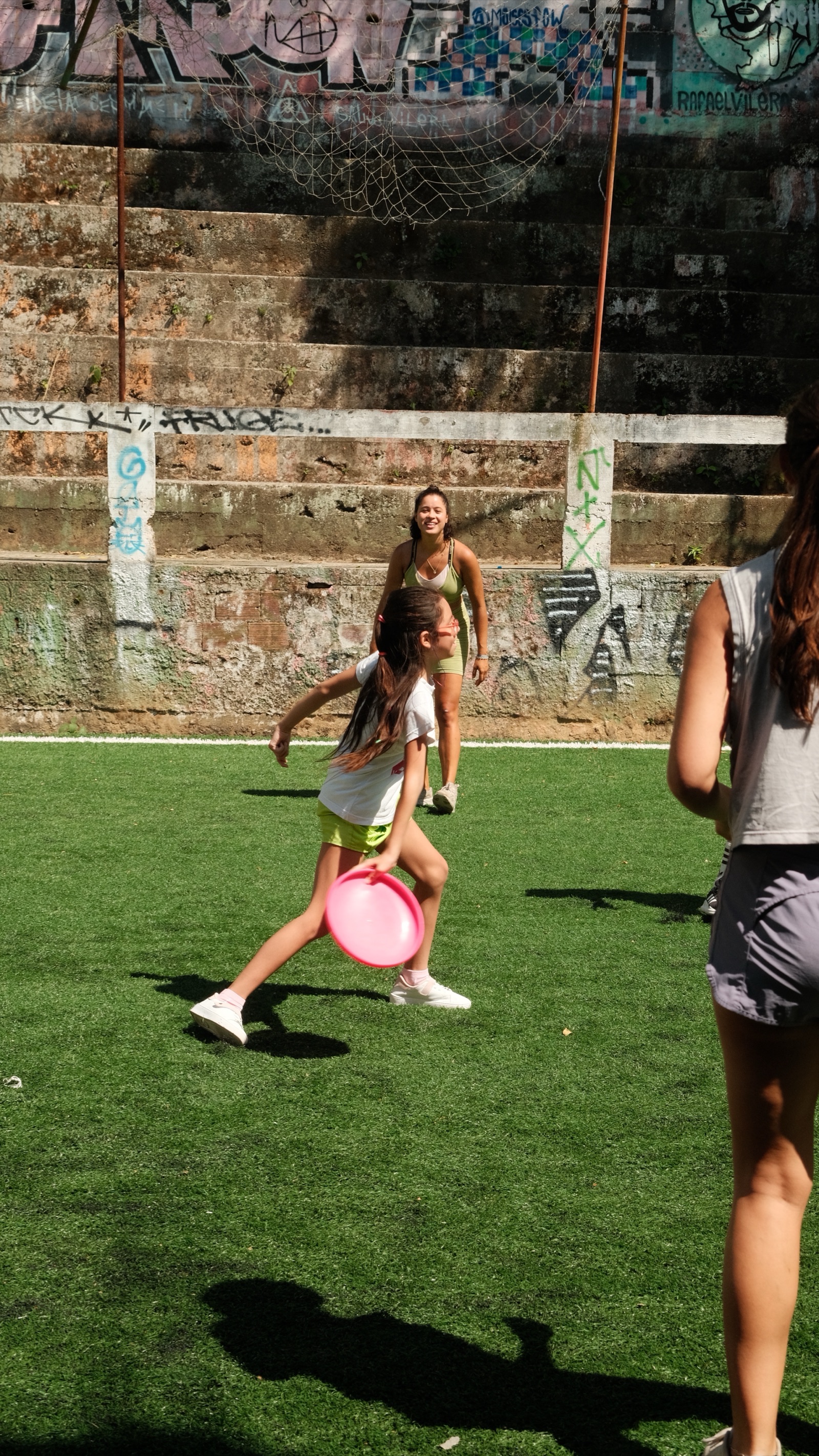
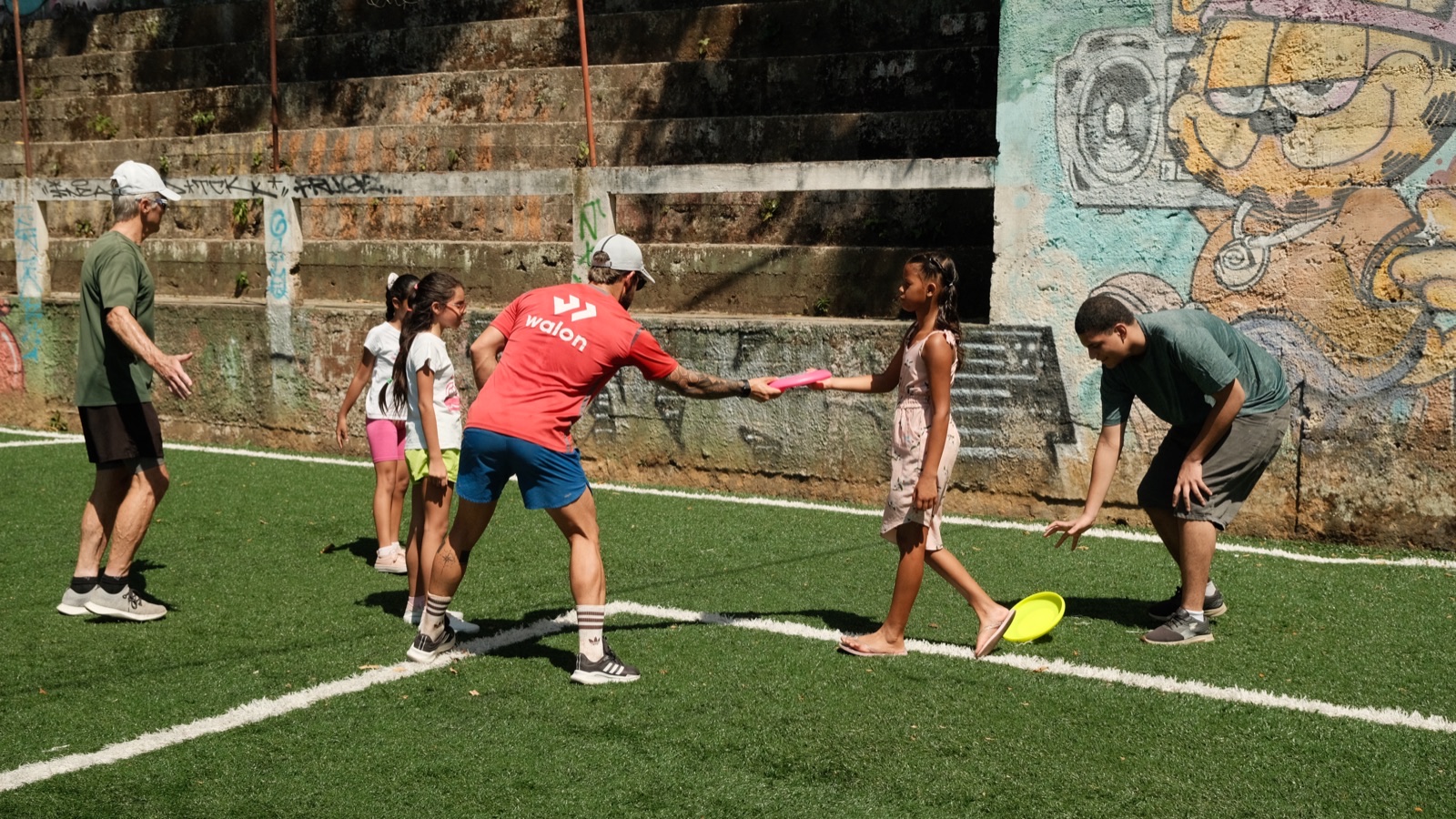
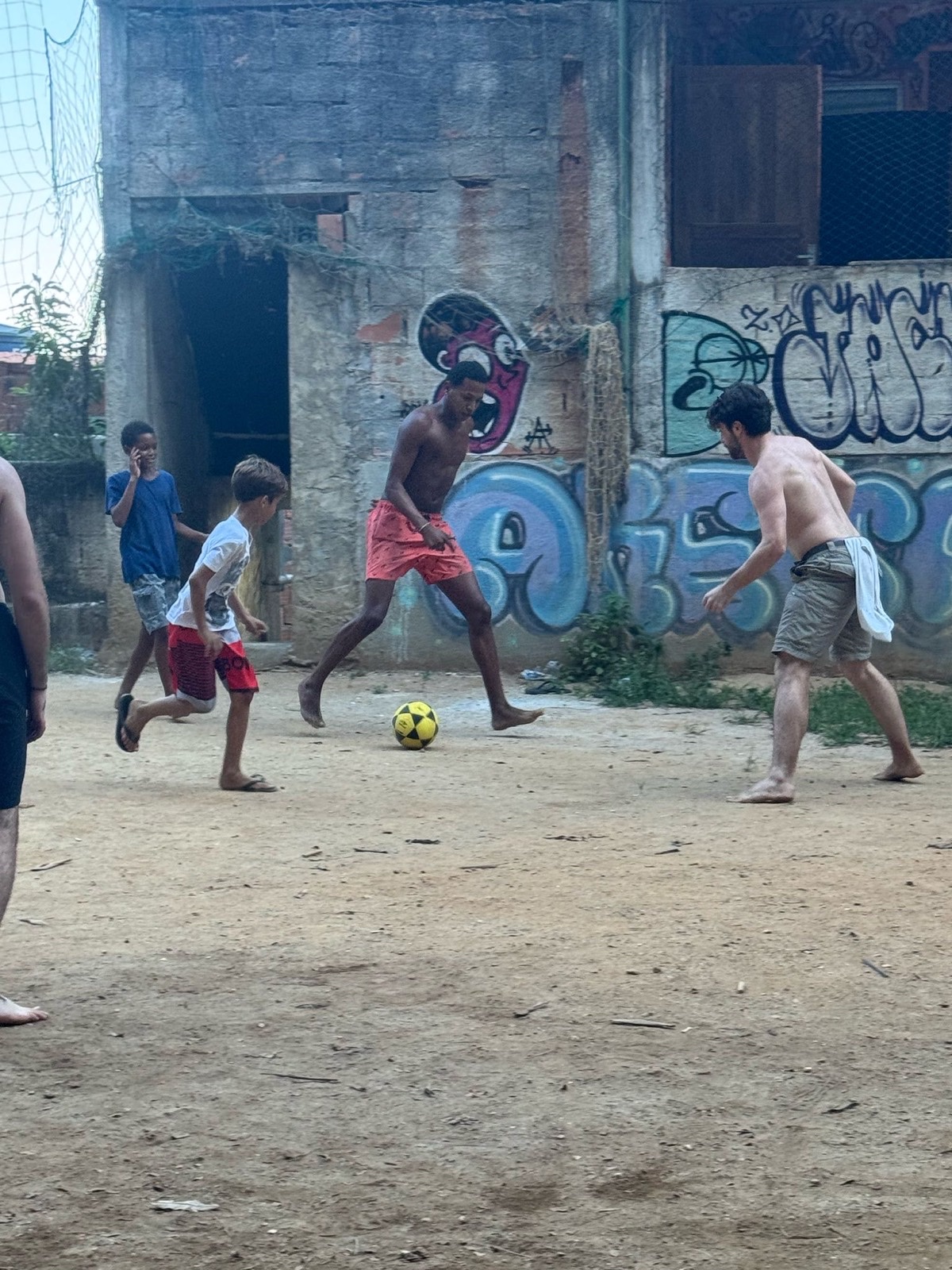
Our sports programmes run after school and include football, volleyball, frisbee, recreation and games, and other sports and physical activities.
Local professionals lead
Local qualified teachers and experienced coordinators lead the programmes and prepare activities.
Participants support
International participants engage with students, help with English communication and bring new games, activities and perspectives.
More from Sport + English
Pathway 03 · English immersion
Arts+ English
Language learning through creativity, movement, culture and collaboration.
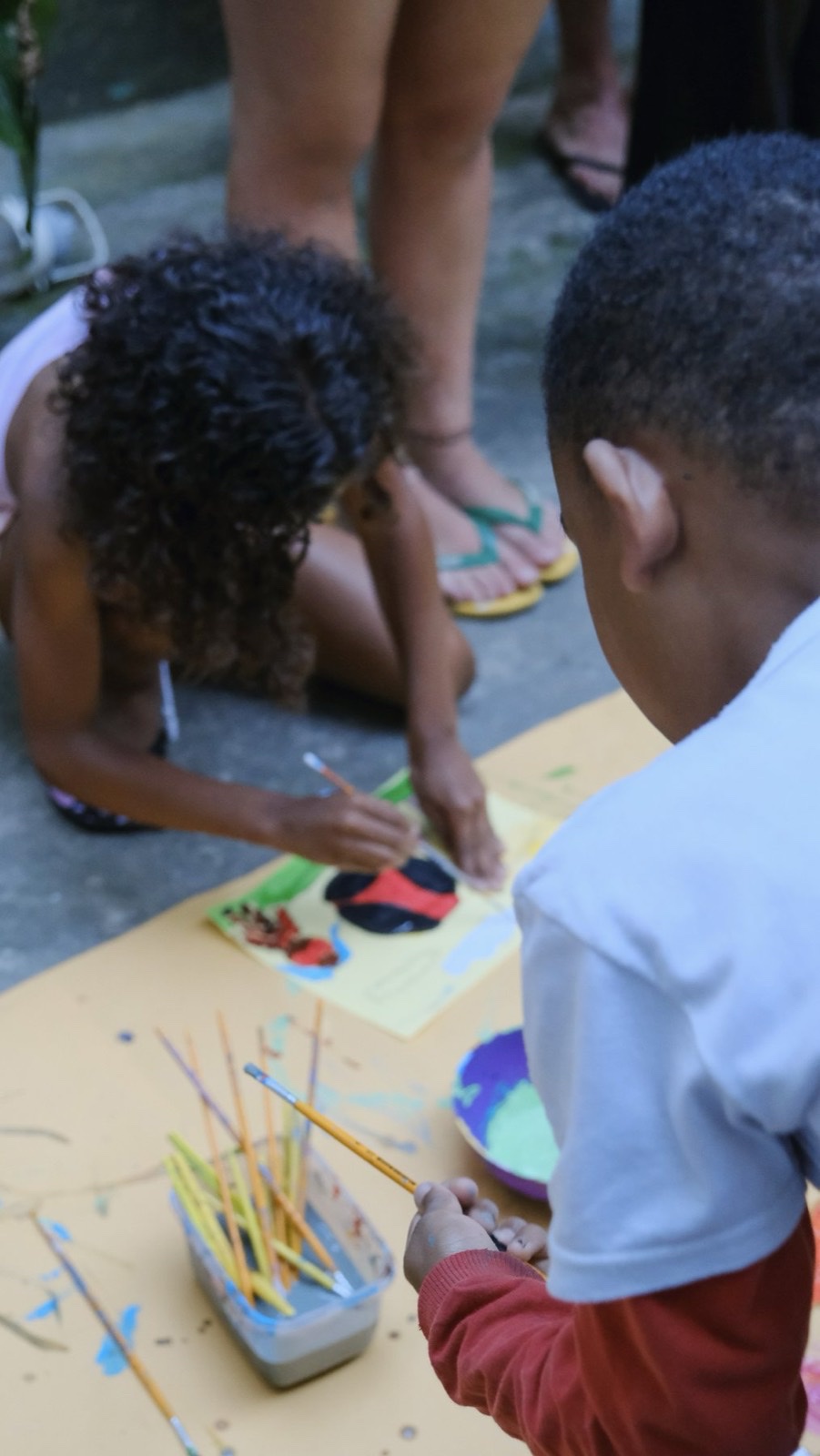
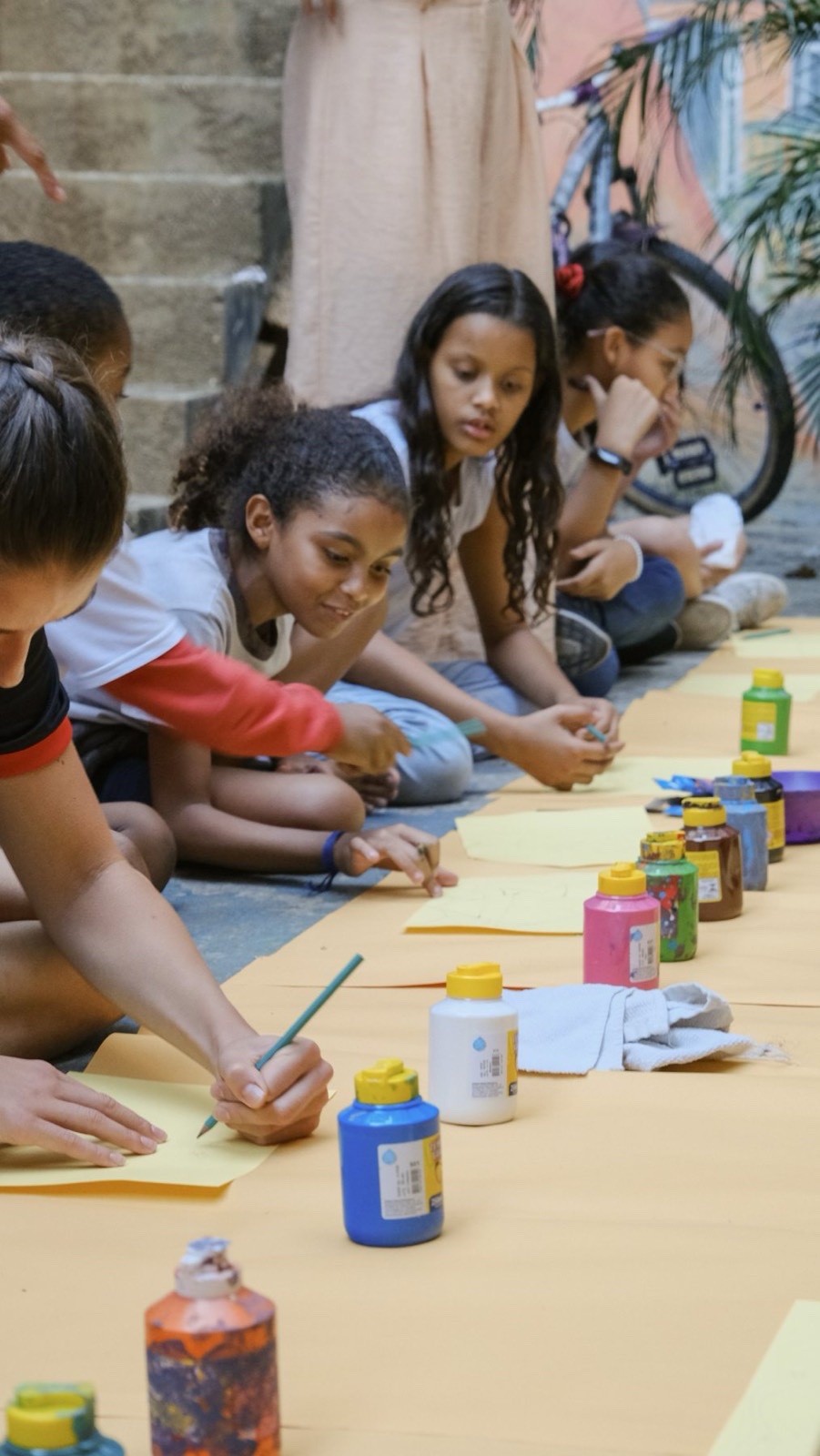
We combine English immersion with Rio de Janeiro's rich artistic and cultural environment. We bring local practitioners into our programmes to lead workshops and share their experience directly with students. Qualified coordinators provide continuity and structure, while international participants bring ideas, energy and new cultural perspectives.
Activities may include
- Theatre
- Painting
- Arts & crafts
- Creative workshops
- Latin dance
- Brazilian dance
Before you apply
What applies across the programmes for volunteers, interns and students.
Who it suits
International students, volunteers, interns and experienced practitioners who can contribute meaningfully to locally identified needs.
Time
Around 12 hours of project work a week, with the option to contribute more. Work generally takes place in the afternoons or evenings, except in Rocinha on Saturday afternoons. The whole team comes together at Monday meetings.
Length of stay
From 2 weeks to 6 months, year-round.
Cost
No programme fee. Instead, we ask participants to make a nightly donation equivalent to the cost of affordable hostel accommodation in Rio — R$75 (about US$15) in 2026. How contributions are used
Support
Qualified teachers and experienced coordinators lead the activities. We provide practical guidance on arrival, transport, accommodation and participation.
What can vary
Activities depend on programme dates, staffing, partner availability and community needs, so the exact mix you take part in can change.
Next step
Email or WhatsApp us with your dates and interests. The team will get back to you to talk through programmes and practical details.
Internships, field studies & research
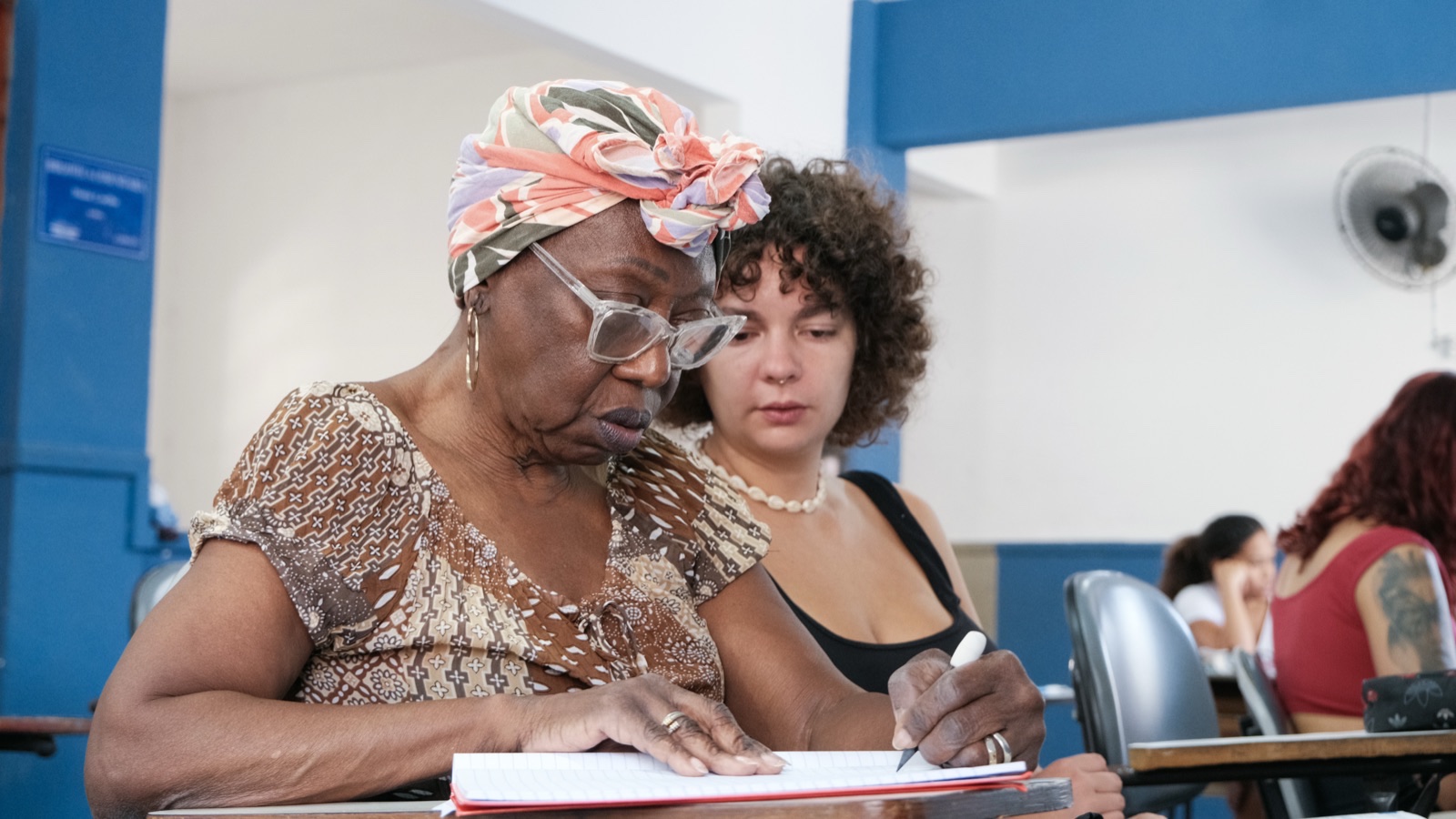
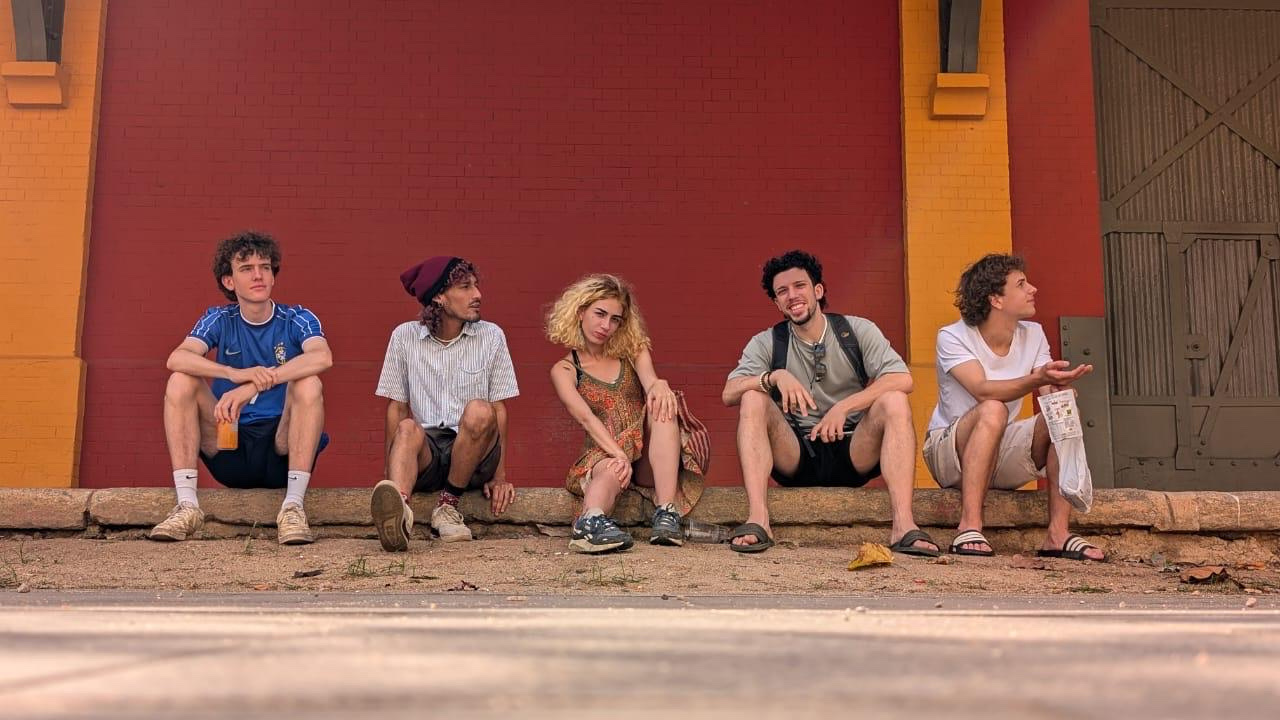
Comunidade Rio Flow has hosted 200+ university students and interns from Europe and North America, including students completing experiences as part of their degree programmes.
1 / 6
We work with students and universities to build experiences around academic learning objectives, professional interests, internship requirements, research questions and community needs.
Internships
Practical internships in education, sports, arts, social entrepreneurship, communications, research and community development.
Field studies
Study community-based work directly within Rio's social and educational environment — sustainable and ethical tourism, grassroots community development, language immersion, public education, social entrepreneurship and international development.
Independent research
We have supported undergraduate, Master's and PhD researchers. We help researchers understand the local context, plan projects and make appropriate introductions to community organisations and local partners.
Meaningful experience beyond the classroom
Our programmes combine practical work, community engagement and reflection.
Apply academic knowledge in practice
Use skills from your studies on real projects with community organisations, educators and local entrepreneurs.
Develop cross-cultural competence
Communicate and collaborate across languages, cultures and different social contexts.
Work within existing community structures
Understand local priorities, work alongside existing organisations and adapt — rather than arrive with a predetermined solution.
Build practical professional skills
Teaching, sports, arts, research, marketing, communications, fundraising, design, strategy and community development.
Understand ethical community engagement
Reflect on power, responsibility, sustainability and the role of international participants in community-based work.
Produce meaningful outputs
Where appropriate, leave with tangible work identified with local partners — teaching activities, research findings, communications materials or strategic projects.
Reflect and learn
Regular discussion connects practical experience with academic learning and longer-term professional development.
Pathway 04 · Social entrepreneurship
Social Entrepreneurship Programme (SEP) & community development
We connect international university students and experienced practitioners with small grassroots projects and local entrepreneurs in Vidigal and Rocinha.
Practical support in areas such as
4–12weeks per project
Projects typically run for 4–12 weeks. Each week can work as a focused sprint with a clear objective and tangible output. Students work directly with local project leaders and contribute practical work rather than simply producing reports or recommendations.
Local entrepreneurs and project leaders retain ownership and final decision-making authority.
The programme can also bring in local entrepreneurs, activists, filmmakers, designers and other practitioners to contribute their expertise.